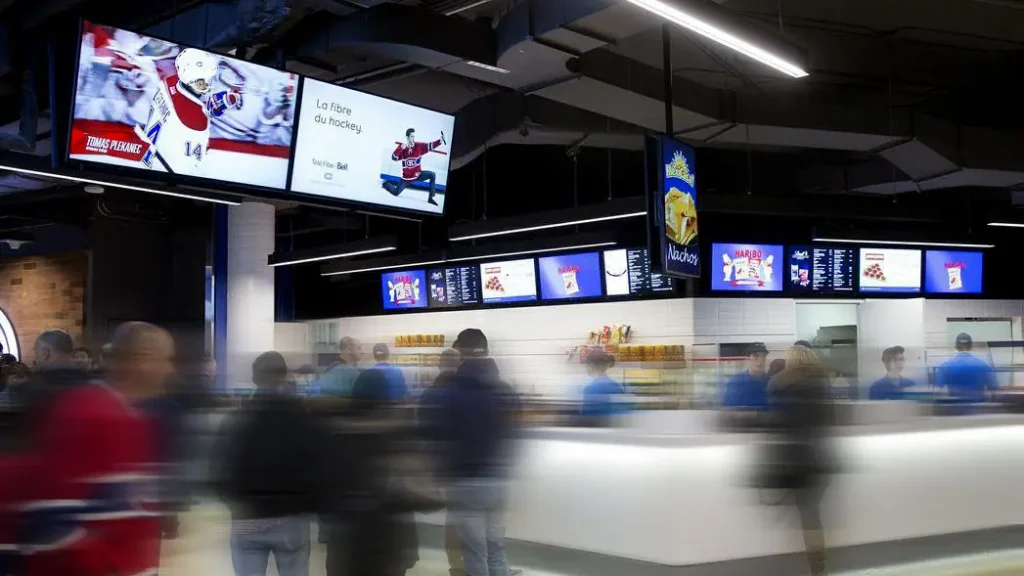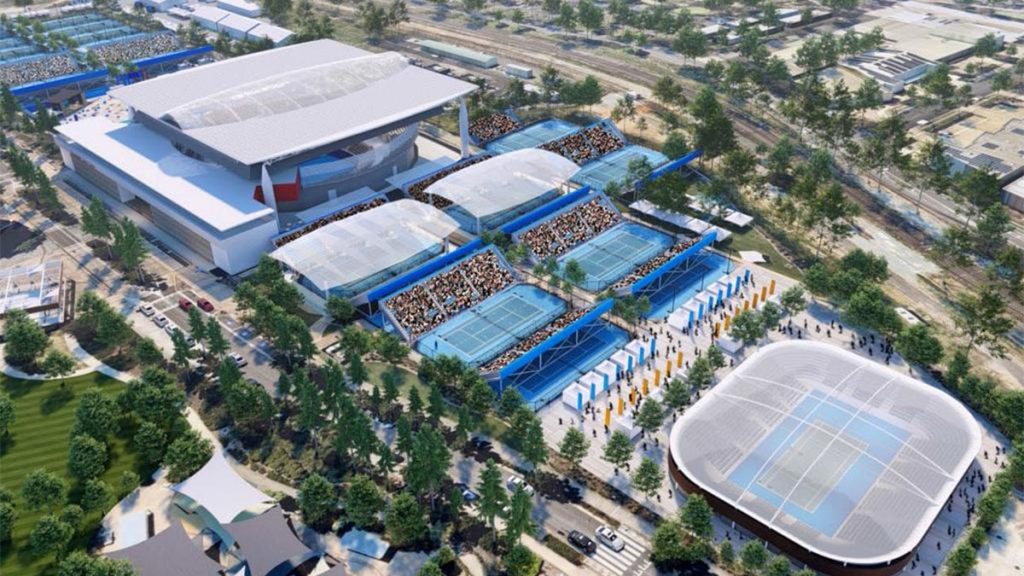
Game-day is no longer just about the game. Food and beverage are now central to the stadium experience—and to the business model behind it.
We’re Not Just Serving Chips Anymore
Once upon a time, fans arrived five minutes before the siren, queued for a pie and a Coke, and left at the final whistle. But those days are gone. Today, fans show up early, socialise, take photos, sample craft beers, explore food trucks, and stay long after the final siren.
Food and beverage (F&B) has evolved from a back-of-house necessity into a front-of-house strategy. It shapes how fans experience a venue—and it shapes how venues perform commercially.
At Xsentia, we view F&B not as a line item, but as a core infrastructure consideration. Whether we’re delivering overlay for a global tournament or redeveloping a suburban pavilion, the question is the same: how does this place feed its people—logistically, emotionally and commercially?
F&B Is Experience
Fans don’t remember what they paid for parking. They remember:
- Sharing dumplings with their kids on the outer wing
- Celebrating a win with local beer and live music
- That one time the kebab line moved faster than expected
F&B is emotional memory. It provides familiarity and novelty at the same time. And when done well, it extends the match into what we call the “third half”—the time before and after the game that turns a two-hour event into a four-hour experience.
This shift has led to a reconceptualisation of precinct planning. Stadiums are no longer venues. They are dining precincts, entertainment hubs, and lifestyle zones—all anchored around a sporting event.
F&B Is Revenue
The rise of diversified F&B offerings isn’t just good for fans—it’s good for business.
According to KPMG’s Global Sport Survey 2023, food and beverage accounts for up to 38% of on-site spend at major sporting venues globally, with fans spending 2.4x more at venues that offer local, customisable, and efficient F&B options (KPMG, 2023).
What drives that spend?
- Perceived quality and freshness
- Queue time
- Localisation and variety
- Integrated ordering systems
- Atmosphere of food zones
Importantly, spend is highly elastic. A $10 beer might feel expensive on its own—but not when paired with live music, good weather, and the winning goal.
F&B Is Infrastructure
To deliver on this expectation, venues need to embed F&B thinking into their architecture and operations—not just outsource it to the caterer or food truck vendor.
We ask:
- Where do fans dwell naturally?
- Where are the natural pinch points in the crowd flow?
- Where can power, water, and waste access be extended to support temporary food offerings?
- Are there enough prep zones and fridges?
- Can staff reheat, chill, or prep on site without impacting safety and speed?
- Are there options for dietary inclusion and cultural representation?
From Marvel Stadium to suburban AFL clubrooms, the same principles apply: good F&B infrastructure is flexible, durable, and visible.
Design Principles for a Third-Half Stadium
Let’s take an example. You’re planning a new grandstand and pavilion for a VFL club with AFLW and community use.
Traditional thinking might ask:
- How many seats?
- How big is the changeroom?
- Where does the canteen go?
Modern planning asks:
- What’s the dwell time of fans before the game?
- How do social spaces flow from entry points?
- Is there F&B available 60+ minutes pre-game and 30+ minutes post?
- Are there points for sponsor activation, club merch, or licensed beer sales?
We embed this thinking from feasibility onwards.
At Xsentia, we work with hospitality providers, stadium ops teams, and overlay contractors to ensure our designs serve fans, not just feed them.
Infrastructure Tactics We’re Using Right Now
Here are just a few of the F&B infrastructure strategies we’re helping deliver across projects nationally:
| Tactic | Purpose |
|---|---|
| Mobile POD units with plug-and-play utility connections | Enables seasonal and flexible vendor mix |
| Hardstands with power/water at activation zones | Supports food trucks, bars, or live cooking |
| RFID or QR-based ordering systems | Cuts queue time, boosts throughput |
| Back-of-house prep zones for pop-up vendors | Reduces reliance on fixed canteens |
| Shared cold storage & waste access for event overlay | Integrates temporary and permanent F&B seamlessly |
| Dual-mode kitchens | Allow weekday use by community, scaled-up use on game days |
This is what future-ready infrastructure looks like. It’s not just concrete and steel—it’s powerboards, POS terminals, cold rooms and grease traps.
Precinct Planning: Before, During and After the Game
F&B isn’t confined to the inner concourse anymore. It’s spilling into the precinct—onto lawns, rooftops, laneways and pop-up decks.
The Adelaide Oval Riverbank Precinct is a masterclass in this approach. The stadium itself is surrounded by accessible public space, food pop-ups, and licensed venues. Foot traffic begins hours before a match and continues long after.
Similarly, Brisbane’s RNA Showgrounds redevelopment integrates sports, music, markets and food through coordinated infrastructure. Water points, bins, lighting and electrical boards are distributed across the precinct—not clustered behind closed doors.
This decentralised approach improves:
- Crowd dispersion
- Spend per head
- Community engagement
- Local vendor participation
Who Benefits?
Great F&B infrastructure isn’t just for the fans.
| Stakeholder | How They Benefit |
|---|---|
| Venue Operator | Higher per-capita spend, greater dwell time, reduced congestion |
| Clubs | Community identity, local vendor partnerships, increased member engagement |
| Sponsors | Visibility through branded activation zones and point-of-sale touchpoints |
| Vendors | Predictable logistics, better facilities, reduced bump-in/out costs |
| Local Government | Night-time economy growth, cultural integration, community pride |
At Xsentia, we design with all of these users in mind—not just the end consumer.
Inclusion and Cultural Expression Through F&B
One of the most powerful shifts in recent years has been the use of food to represent cultural diversity and local identity.
Fans want food that reflects their city and their community. From Indigenous bush tucker menus at AFL Indigenous Rounds to multicultural food trucks at local festivals, this isn’t tokenism—it’s storytelling.
Infrastructure must respond accordingly:
- Dual-kitchen fit-outs for kosher or halal use
- Accessible kiosks with language-agnostic signage
- Vendor spaces designed to accommodate mobile operators with unique equipment needs
- Community-run stalls and school partnerships embedded into precinct planning
Inclusion doesn’t stop at ramps and bathrooms. It continues into what people eat, how they eat it, and who serves it to them.
Where to Next?
The next frontier in sports F&B isn’t necessarily luxury—it’s frictionless flexibility.
Fans want:
- To order from their seat
- To pick up from decentralised kiosks
- To try something local
- To enjoy a drink without queueing for 40 minutes
Venue owners want:
- Turnkey fit-outs
- Modular vendor bays
- Systems that link into their existing POS and operations
- Compliance-ready services with flexibility across seasons and event types
That’s the balance we’re designing for.
Final Thought: The Game Isn’t the Only Thing That’s Changed
As fan expectations evolve, so must infrastructure. And few areas have more upside than food and beverage.
At Xsentia, we’re proud to be part of the shift—from stadiums that feed fans, to precincts that bring them together.