The best sports infrastructure isn’t just well built—it’s strategically delivered. Here’s how delivery models, staging and cross-code insight shape better outcomes across short-term overlay and long-term ownership.
One Size Doesn’t Fit All
Delivering infrastructure in sport is rarely linear. Some projects are pop-up activations needed in 12 weeks. Others are civic-scale redevelopments staged over 10 years. Some are controlled by sporting bodies, others by councils or private trusts. Most involve overlapping needs from elite and grassroots sport, sometimes across multiple codes.
In this complexity lies risk—but also opportunity.
At Xsentia, we’ve delivered infrastructure across every phase and scale:
- Temporary overlay for global events
- Modular clubroom upgrades
- Multi-year precinct masterplans
- High-performance centres for national bodies
This article explores how we navigate different ownership models, timeframes, governance structures and sport-specific requirements to deliver infrastructure that works—today and long into the future.
Delivery is Strategy
Often overlooked, the choice of how to deliver a project is as critical as what gets built.
| Delivery Model | Typical Use Case |
|---|---|
| Design & Construct (D&C) | Mid-size clubrooms, community field upgrades—speed and price certainty |
| EPCM (Engineer, Procure, Construct, Manage) | High-complexity venues with many moving parts (e.g. HPCs, civic precincts) |
| Managing Contractor | Large-scale overlays, legacy precincts—client retains design and scope control |
| Internal PMO or Hybrid Model | Trusted clients with in-house capacity, supported by specialists |
Each has trade-offs in control, flexibility, and risk.
We help clients match the right model to their budget, timeline and project complexity—not just pick the industry standard.
Overlay vs Permanent: Different Rules, Same Purpose
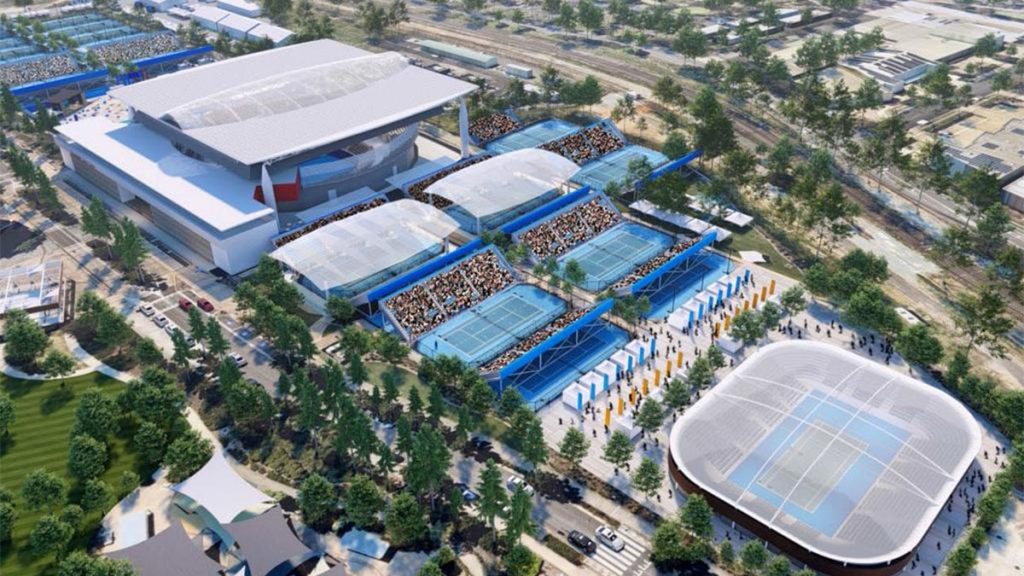
Temporary infrastructure (“overlay”) often seems like a separate discipline. But in reality, overlay is just another part of the lifecycle—with its own constraints, standards and opportunities.
We’ve delivered overlay for:
- Australian Open
- AFL Gather Round
- Formula 1 and V8 Supercars
- Grassroots carnivals, school championships, regional tournaments
Overlay must be:
- Fast
- Lightweight
- Compliant with temporary works legislation
- Costed for short-term ROI
- Integrated with existing services and approvals
But it also must not undermine long-term site goals.
That’s why we now embed overlay considerations into permanent designs—so future activation is easier, cheaper and safer.
Working Across Codes: Respecting the Game
Each sport has different needs.
- AFL requires large ovals, warm-up zones, impact-rated fences
- Rugby needs line of sight for coaching staff and camera towers
- Football (soccer) is more lighting- and turf-sensitive due to higher frequency
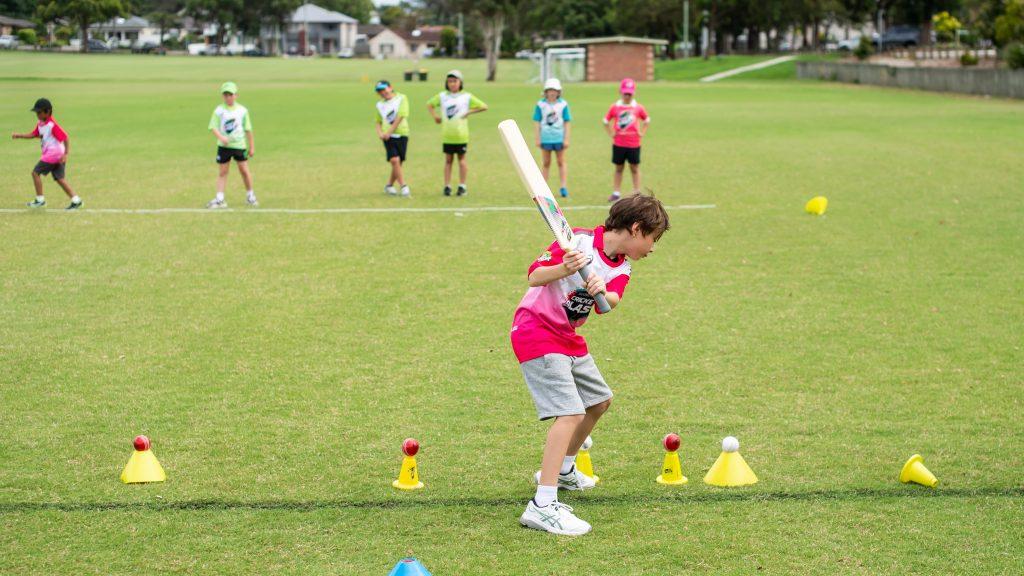
- Cricket requires pitch covers, sight screens and different seasonality
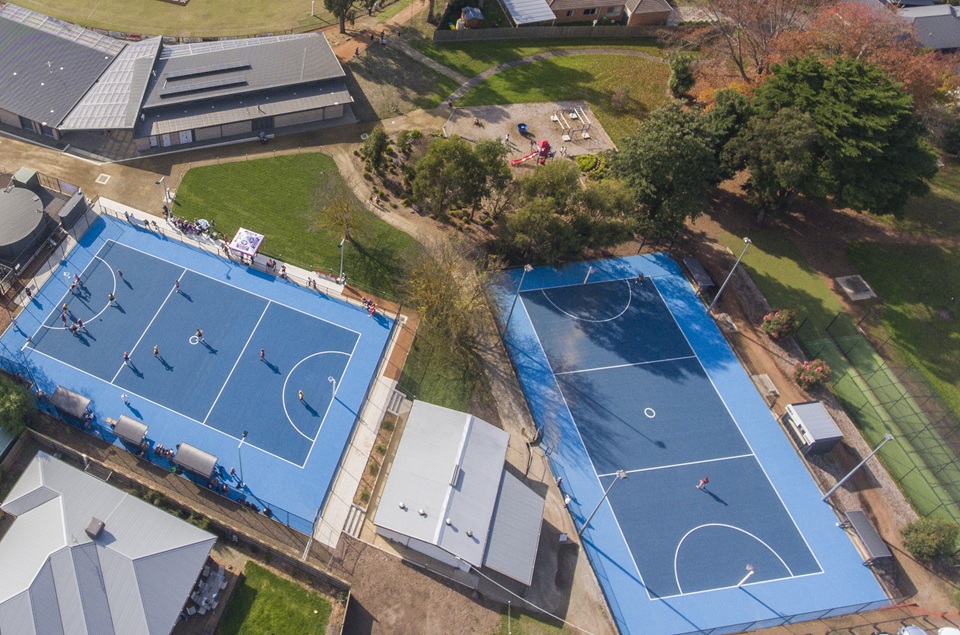
- Netball and basketball have strict line markings and safety runoffs
At Xsentia, we work with national and state sporting bodies to ensure:
- Code-compliant layouts
- Accurate spatial and storage planning
- Scheduling logic that works in shared precincts
- User groups feel heard—not compromised
Cross-code isn’t compromise when done well—it’s collaborative gain.
Staged Delivery: Making 5-Year Projects Work Day One
When funding is tight or timeframes are long, we advocate for staged infrastructure—where every stage delivers something usable, not just “enabling works”.
Staging principles we apply:
- Stage 1: Compliance and access (e.g. female-friendly changerooms, DDA access, lighting)
- Stage 2: Amenities uplift (e.g. social space, canteen, offices, upgraded turf)
- Stage 3: Expansion and activation (e.g. high-performance facilities, tech upgrades, parking or storage)
Benefits:
- Shovel-ready deliverables
- Early wins for participation and equity
- Funding alignment with grant cycles
- Less disruption to users
- Momentum building for further investment
Every plan we deliver includes a realistic, fundable, staged delivery plan.
Navigating Ownership and Governance Models
The delivery challenge isn’t always physical—it’s legal and operational.
We often work on sites with:
- Council ownership, club occupancy
- Crown land with long-term leases
- Multiple clubs and sports sharing assets
- Development partnerships between sporting bodies and commercial tenants
- Temporary licences layered on long-term leases
- Split land ownership and service obligations
Examples include:
- Windy Hill HPC: Council-owned site, leased to AFL club, licensed to umpires
- Harbour Esplanade: DV and AFL joint venture, existing tenants (e.g. Channel 7), development aspirations
- Regional club sites: Co-funded by councils, AFL, clubs and schools
Each model impacts:
- Delivery responsibility
- Ongoing O&M costs
- Programming rights
- Access policies
- Asset depreciation and reporting
We untangle this early, with simple diagrams, risk registers and draft governance frameworks.
Case Study: Modular Clubroom Across 3 Stages
One Victorian regional site involved:
- Existing under-sized changerooms
- Gendered toilets
- No social space or first aid
- Shared use with cricket and soccer
We designed a 3-stage modular facility:
- Stage 1: Two compliant, unisex changerooms with umpire room
- Stage 2: Add social space, kitchen, canteen and storage
- Stage 3: Add first aid, offices, EV charging and external activation deck
Delivery was matched to funding windows across:
- Local government
- SRV Infrastructure grants
- Philanthropic sport foundation
- AFL Regional Facility Program
Result? Usable facility from day one, expanded value over time, fully compliant and celebrated across codes.
From Overlay to Ownership: Why We Stay Involved
We don’t just deliver drawings. We:
- Develop design briefs
- Map governance and land issues
- Support funding applications
- Advise on PM selection and tendering
- Liaise with sporting codes on specs and timing
- Review construction phase against operational expectations
Because a beautiful building that doesn’t work is not a win.
We help clients manage the full arc:
From early idea → to overlay → to long-term, owned asset.
Deliver with the End in Mind
Good sports infrastructure doesn’t start with the architect. It starts with the end user, the delivery realities, and the vision for how the place will operate—across seasons, codes and generations.
Whether it’s overlay or ownership, temporary or permanent, elite or grassroots, the core question is the same:
Does this project meet its moment—and its future?
At Xsentia, that’s how we deliver.
📸 Suggested Images
- Temporary overlay plan (scaff tower, toilet blocks, fencing)
- Multi-sport changeroom layout
- Aerial with staged delivery zones colour-coded
- Governance diagram (owner, lessee, licensee, operator)
- Community and elite users at the same site (e.g. AFLW and juniors)
🏷 Suggested WordPress Tags
#InfrastructureDelivery #SportsGovernance #OverlayDesign #MultiCodeFacilities #StagedDelivery #AFLInfrastructure #XsentiaProjects #PrecinctGovernance #ClubDevelopment
🔗 Reference Links
- Sport & Recreation Victoria – Community Sports Infrastructure Guidelines
- AFL Facilities Funding Guidelines
- Australian Government – National Sports Plan
- Infrastructure Australia – Project Governance Toolkit
- Event Infrastructure Planning Guide (NSW)