Smart stadiums are no longer just a concept—they’re fast becoming the new standard. But what makes a stadium truly “smart”? And what does it mean for the way we plan, design, and operate sports infrastructure?
Why Infrastructure Needs to Think for Itself
For years, stadium design focused on capacity, sightlines and compliance. But now, venues must go further. They must think, adapt and respond—not just to athletes and fans, but to weather, data, and demand.
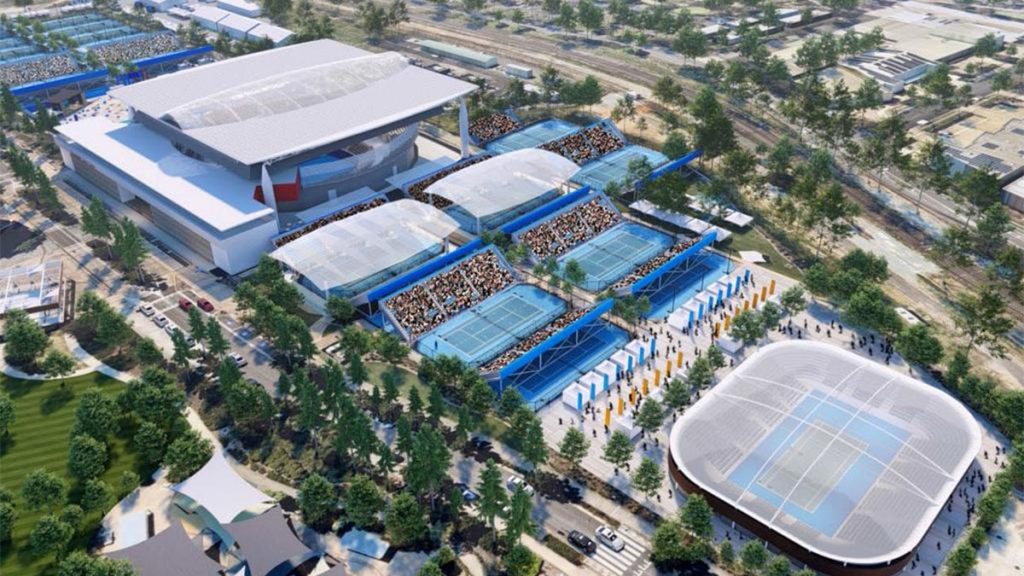
From Marvel Stadium’s LED-integrated roof to local sports fields trialling sensor-based lighting controls, the evolution is clear: smart infrastructure isn’t just for mega-venues. It’s an industry-wide transformation that’s reshaping how we deliver sporting experiences.
At Xsentia, we view this shift as fundamental. A smarter stadium is safer, leaner, greener and more profitable. But it requires planning from day one—not as a bolt-on tech layer, but as a core design principle.
What is a Smart Stadium?
A smart stadium is more than Wi-Fi and digital screens. It’s an integrated ecosystem of infrastructure, data and operational systems working together to enhance the experience, reduce inefficiencies, and increase value.
Key features include:
- IoT devices: Sensors for crowd density, surface moisture, temperature, waste levels, lighting, etc.
- Data platforms: Real-time dashboards for stadium operators and event partners
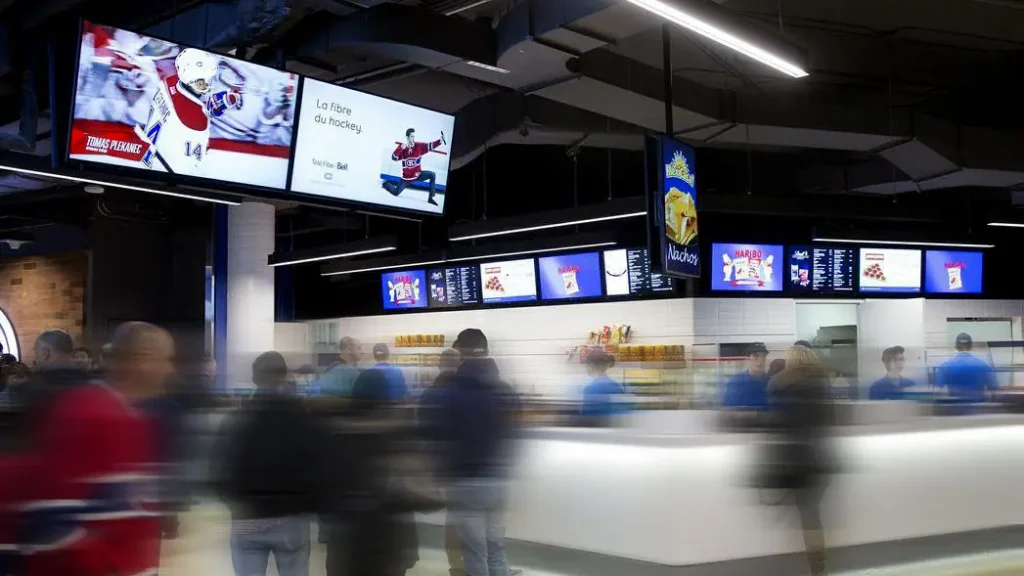
- Digital infrastructure: High-density Wi-Fi, 5G connectivity, IPTV systems, mobile ticketing
- Responsive systems: Lighting, HVAC and crowd management that adjusts in real time
- Sustainability tools: Automated water and energy monitoring for Net Zero pathways
These features aren’t futuristic—they’re being rolled out now across Australia and globally.
The Case for Smart Infrastructure
Why make your venue smart? Because it delivers tangible value.
| Benefit | Description |
|---|---|
| Operational Efficiency | Reduce staff costs through automation and real-time alerts |
| Fan Experience | Enable app-based ordering, digital wayfinding, live stats |
| Safety & Risk | Monitor crowd flow, detect hotspots, trigger evacuation protocols |
| Sustainability | Cut energy/water use and improve ESG reporting |
| Maintenance | Predict failures before they occur—prevent downtime |
| Revenue | Optimise retail staffing, seating upgrades, F&B offerings dynamically |
According to Deloitte, smart venues can reduce energy costs by 20% and maintenance costs by up to 15% annually (Deloitte: Smart Venues, 2023).
Data is the New Turnstile
Every fan walking through a stadium is a data point. Their movements, preferences, dwell times and purchases all paint a picture—if we have the infrastructure to listen.
Consider:
- Heatmaps showing where fans linger pre-game
- POS data linked to mobile apps for targeted offers
- Queue monitoring that prompts more staff to certain outlets
- Ingress/egress modelling to adjust gate allocations
These insights aren’t just useful post-match. They enable real-time adjustments. At Xsentia, we work with digital partners and venue ops teams to integrate these systems into venue overlays, precinct design, and capital investment cases.
Examples from the Field
1. Marvel Stadium – Digital Backbone
AFL’s flagship stadium features high-density Wi-Fi, digital ticketing, and large-format IPTV throughout. Xsentia has contributed to precinct design thinking that integrates entertainment, F&B and social experience with these digital layers—making them operational, not ornamental.
2. Optus Stadium – Lighting and Crowd Flow
Perth’s premier venue uses IoT sensors and predictive analytics to control lighting zones, manage traffic on concourses, and redirect staffing to where needed. These systems reduce response lag and keep the experience seamless.
3. Community Ovals – Pilot Smart Poles
In several Victorian LGA projects, Xsentia is advising on integrated smart lighting poles: combining CCTV, emergency call, Wi-Fi hotspots, and motion-activated lights for evening use—delivering safety, cost savings, and usage tracking.
Smart infrastructure is not about size. It’s about intentionality.
Planning for Smart Infrastructure from Day One
One of the biggest risks is treating “smart” as an add-on. True smart infrastructure starts in the feasibility and schematic design phase—not in procurement.
Here’s how we embed it:
| Phase | Smart Integration Focus |
|---|---|
| Feasibility | Identify operational needs and business case benefits |
| Schematic Design | Allow space for nodes, conduit paths, equipment rooms |
| Services Coordination | Align ICT, electrical, mechanical and hydraulic infrastructure |
| Procurement | Ensure specs include digital capability and futureproofing |
| Handover | Train venue staff, provide asset tagging, deliver data dashboards |
We also include lifecycle cost planning for devices, software upgrades and data security—so projects aren’t caught off guard.
Smart is Also Sustainable
Smart systems play a critical role in helping venues meet ESG and sustainability goals.
Examples include:
- Smart meters for water, gas, electricity
- Automated HVAC shut-off in low-occupancy zones
- Live bin sensors that reduce unnecessary collection
- Turf sensors that guide irrigation timing and volume
These aren’t gimmicks—they’re bottom-line savings. And they support State and Local Government Net Zero commitments, which are increasingly tied to infrastructure funding.
Who Needs to Be at the Table?
A common failure in smart stadiums is isolating the tech discussion to IT departments or post-design consultants.
To avoid fragmentation, your project team must include:
- Venue operators – who know daily workflows
- Security teams – who manage risk and surveillance
- F&B vendors – who rely on POS, back-of-house utilities
- Events staff – who manage bump-in/out and overlay use
- Government funders – who want ROI and community value
- Digital and sustainability partners – who track metrics long-term
At Xsentia, we often act as the interface—translating between digital potential and built-form delivery.
What Makes Smart Infrastructure Work?
It’s not just sensors and screens. It’s how systems talk to each other, how staff are trained, and how quickly the venue can respond.
The four keys:
- Interoperability – Systems must integrate across vendors and platforms
- Real-time data – Delays kill value
- User-focused design – Interfaces should empower staff, not overwhelm
- Modular scalability – Start small, scale as budget or demand allows
This philosophy applies whether it’s a 2,000-seat local oval or a 50,000-capacity national arena.
What About Security and Privacy?
Smart infrastructure raises legitimate concerns around:
- Data ownership (who owns fan data?)
- Surveillance and facial recognition
- Cybersecurity for venue systems
- Consent and transparency for data collection
We address these risks by:
- Following OAIC privacy guidelines
- Structuring contracts with data governance clauses
- Separating operational systems from public networks
- Using local or Australian-hosted platforms when required
Smart doesn’t mean reckless. It means responsible.
A Smart Venue is an Empowered Venue
At its core, a smart stadium is one that knows what’s happening, responds without hesitation, and learns from every event. It’s infrastructure that doesn’t just host a game—it optimises the entire experience.
As precincts become more mixed-use, and sporting events compete with home screens and entertainment districts, smart infrastructure will become not just a value-add, but a non-negotiable.
At Xsentia, we’re ready to design for that reality.