They’re not just the starting point for players. Grassroots facilities are the foundation of participation, equity and performance. So why are they still treated like an afterthought?
Every Champion Starts Somewhere
It’s easy to get excited about new stadiums, elite training centres and Olympic venues. But behind every AFLW debut, World Cup highlight or Paralympic medal is the same foundation: a local field, a weathered pavilion, and a community club that showed up week in, week out.
Grassroots infrastructure is often the most used, most needed, and most neglected tier of Australia’s sporting ecosystem.
At Xsentia, we work across all levels—from community ovals to major precincts—and we see the risks of underspending on local infrastructure every day. This article makes the case that grassroots isn’t a footnote—it’s the foundation.
Defining “Grassroots”
In this context, grassroots infrastructure refers to:
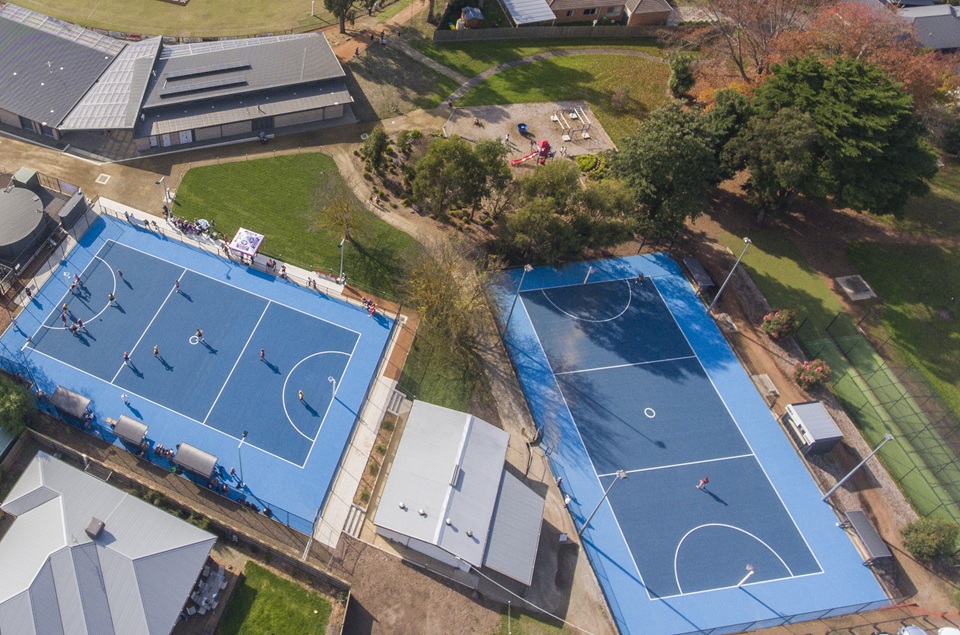
- Community-level fields, pavilions and indoor courts
- Shared-use facilities at schools or local reserves
- Multi-sport hubs used by juniors, seniors, masters and social players
- Clubrooms, amenities, storage and changerooms
- Local lighting, scoreboards, fencing and seating
These spaces are the most democratised forms of sport. They’re used by everyone—from elite juniors to weekend warriors, women returning to sport, people with disability, and CALD communities playing social comps.
The Underspend Problem
Despite their critical role, grassroots venues receive a disproportionately low share of infrastructure funding.
According to Sport Australia’s State of Play report, up to 70% of community sport assets are over 30 years old, and 40% are non-compliant with modern standards for access, safety or gender equity.
This creates:
- Participation drop-off
- Club burnout due to maintenance
- Exclusion of female players and marginalised groups
- Poor alignment with modern sport formats (e.g. 9-a-side AFL, futsal, social leagues)
- Missed opportunities for health, social cohesion and economic uplift
It’s not a funding issue—it’s a prioritisation issue.
Grassroots = Participation
Participation doesn’t happen in policy—it happens in places. And if those places are underlit, overcrowded or unsafe, participation falls.
| Challenge | Impact |
|---|---|
| One changeroom for multiple teams | Girls miss out or share with older boys |
| Poor field drainage | Lost weeks of play, insurance risks |
| No lighting | No midweek training, especially for working families |
| No all-abilities access | No para or inclusive programs |
| No shade or toilets | No spectators, families or community activation |
We’ve supported dozens of projects where fixing just one of these issues led to measurable spikes in participation and retention.
Grassroots = Equity
Equity in sport doesn’t just mean paying players fairly—it means creating environments where everyone can participate on equal terms.
At Xsentia, we embed equitable infrastructure principles in all our community designs:
- Female-friendly changerooms
- Universal design (ramps, handrails, ambulant toilets, hearing loops)
- Social spaces that allow mixed-age and mixed-ability interaction
- Circulation paths for parents with prams or mobility devices
- Safety lighting and secure storage to enable longer programming hours
We also align with Fair Access Policy guidelines from Sport & Recreation Victoria to ensure our clients remain eligible for co-funding.
Because equity isn’t optional—it’s essential.
Grassroots = High Performance Pathways
The elite game doesn’t exist without the grassroots. Yet too often, we treat the two as separate systems.
In reality, the same changerooms used by U12 girls on Saturday are used by VFL-listed players during the week. The same ovals that host junior carnivals also host pre-season elite training.
By investing in grassroots with a high-performance mindset, we:
- Reduce injury risk through better surfaces
- Improve athlete development by providing better lighting and facilities
- Retain more junior talent through positive environments
- Build pride and aspiration through inclusive, well-maintained spaces
High performance begins long before talent ID. It begins in facilities that show players they matter.
What We See at the Coalface
Through our audits, workshops and precinct work, we see common gaps in grassroots infrastructure:
| Gap | What it looks like | Impact |
|---|---|---|
| Inadequate storage | Gear left in change areas or exposed outdoors | Damage, theft, reduced community use |
| Single-gender amenities | One set of male-oriented showers and toilets | Girls, women, non-binary people excluded |
| Lack of lighting | Unlit training areas or car parks | Reduced hours, safety issues |
| Poor access | Steps into changerooms, no adult change tables | Inaccessible to para-athletes, parents, elders |
| No integration with other services | No connection to transport, health, education | Limits broader community use and funding alignment |
We address these by mapping issues, quantifying risk, and embedding fixes into masterplans and funding cases.
Case Example: Suburban Clubroom Upgrade
One Melbourne metro AFL club was experiencing major growth—especially in female and junior teams. But its 1970s-era pavilion offered:
- Two male-oriented changerooms
- No accessible toilet or ramp
- One outdated canteen
- No social space, no office, no storage
- Inadequate hot water system
Xsentia worked with the club and council to:
- Develop a staged upgrade plan aligned to grant cycles
- Embed gender equity, all-abilities access and shared-use principles
- Prepare a business case linked to AFL, SRV and LGA strategic priorities
- Advocate for co-investment and site activation beyond match day
Outcome: $2.1M secured across three tiers, a new fit-for-purpose community facility, and participation increase of 31% in 12 months.
The ROI on Grassroots
Investing in community sport is one of the highest-yielding public investments.
According to KPMG’s Value of Community Sport Infrastructure report:
- Every $1 invested in community sport returns $7 in social value
- Infrastructure upgrades lead to participation spikes of 20–40%
- Improved facilities increase volunteer retention and reduce burnout
- Sport infrastructure supports mental health, connection and local economies
In short, the return isn’t just athletic—it’s economic, social and civic.
How to Advocate for Grassroots Funding
Want to upgrade your local club or community facility? Start with:
- Map current facility gaps – Photos, audit checklists, user stories
- Gather participation data – Especially from underrepresented groups
- Identify co-benefits – Schools, health, tourism, transport
- Build partnerships – LGA, leagues, schools, health providers
- Align to strategy – Fair Access, Active Victoria, LGA and sport plans
- Create a delivery plan – Even if in stages (e.g. Stage 1: compliance, Stage 2: expansion)
- Don’t undersell it – Grassroots is high impact. Tell that story.
Xsentia regularly supports clubs and councils through this process—turning small ideas into strategic, fundable infrastructure outcomes.
Final Thought: Build the Base, Elevate the Game
You can’t grow sport from the top down. You grow it from the ground up.
That means investing where it matters most—not just where the cameras are. It means giving every kid, every parent, every returning player the same message: you belong here.
At Xsentia, we believe grassroots is where sport lives. That’s why we build for it—properly.
Suggested Images
- Junior footy teams using upgraded facilities
- Volunteers setting up gear from new storage areas
- Unisex changerooms and accessible paths
- Clubroom activation on a weekday (e.g. yoga, social lunch, meeting)
- Contrast: before/after photos of a pavilion redevelopment
Suggested WordPress Tags
#GrassrootsSport #CommunityInfrastructure #EquityInSport #FacilityUpgrades #VolunteerSupport #AFLCommunity #GenderInclusiveDesign #XsentiaProjects #LocalSportInvestment